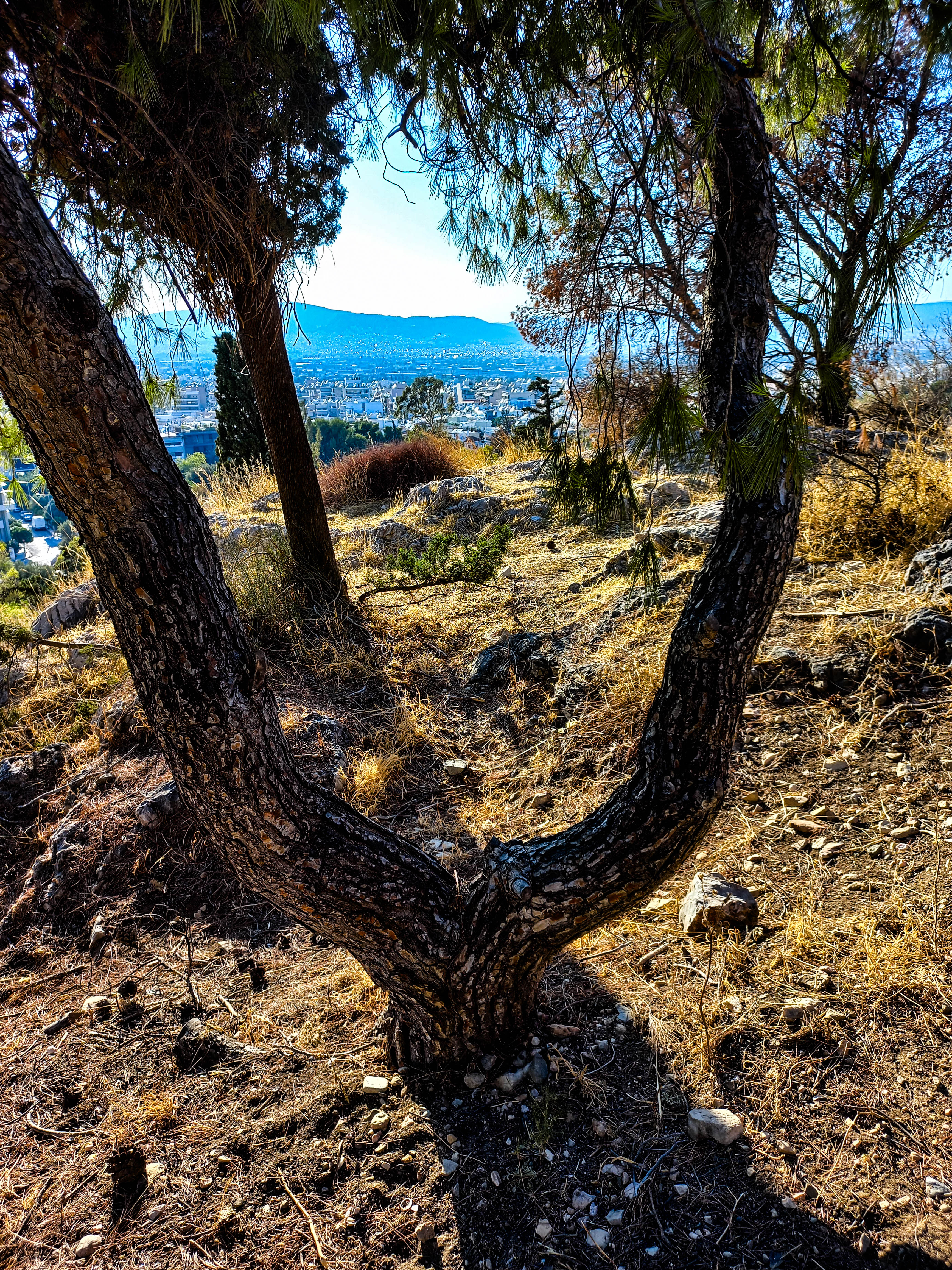
Sir András Schiff’s Bach Tree in Taipei
27 December 2024
今天的獨奏會是一棵以 Bach 為 root,Haydn, Mozart, & Beethoven 為 children 的 ternary tree。Schiff 介紹每首曲子的背景後再彈奏的呈現方式,讓身為 romantic-era oriented 聽眾的我覺得非常親切自然。其實我之前比較仔細研究 Chopin, Liszt, & Rachmaninoff,還沒開始深掘 Bach,所以我非常感謝 Schiff 今天選擇以這種 approachable 的對談(而且還是無菜單)的方式來呈現,讓大家得以更加理解音樂家想帶來的詮釋路徑。
今天我買的也是青年席位,不過入場後我才發現竟然坐在 3 樓 6 排 17 號的單號區,除了踏板之外,得以多看到 Mastero Schiff 的手部動作讓我特別驚喜!Schiff 以 Bach's Goldberg variations 開場,似泉水激石;Schiff 還分享說他每天早晨都活在 Bach 的音樂中,吃早餐前常彈創意曲。儘管今天的音樂會是辦在夜晚的台北,但是整體的曲目我感覺非常「上午」,充滿開展的生機。
Bach's Capriccio BWV 992 是早晨咖啡裡的棉花糖,馬蹄般幽默地奔向 Haydn Piano Sonata in g minor Hob. XVI:44 詩意的斷裂。我發現 Schiff 運用踏板的方式非常細微,樂句切換時放開,再行雲地銜接下一個樂句。細膩,且如吃飯喝水一般自然,讓我聯想到李白的豪放。
第二根枝幹是由 Bach 的 Italian concerto 連到 Mozart's Piano Sonata in F Major K. 533。雖然 Bach 一生中大部分都待在德國,但是他對於義大利或法國的音樂也特別熟悉。Italian concerto 便是 Bach 50 歲時的成熟之作。Arabica coffee 在 Baroque eolden era 之中熾烈地燃燒,彷彿正午的烈日。Mozart 則呈現出另一個沉思的向度 (or "dimension" in Schiff's words)。在這首 Piano Sonata No.15 in F Major 的第一樂章中,我感觸到極圓滑的氣流迴繞在左右手飛輪上,相聚,而後分離,非常優雅的賦格。第二樂章:木屋透新綠;藉 serious fugue 沉重地叩問何為神性,最終回歸草野般舒緩的氣息。
第三枝幹—也是我個人最喜歡的一系—由 Bach's Chromatic Fantasia and Fugue 以及 Beethoven's Piano Sonata No. 17 (Tempest) 組成。兩者呈現的經驗心像相當類似:在風雨欲來的低氣壓浪潮拍擊之中,我看見萬物互相聚合的空性。境界數疊,終於琢磨出神聖的光流;於教堂斑斕的穹頂之下,流光幾轉。
Encores 從曲目安排上也能看作是廣義的賦格。Bach's French Suite No. 5 in G Major 雖然偶爾感覺彈性疲乏到過於絲滑了,但是總體來看還是能投射出湛藍的晴空;Mozart's Kleine Gigue and Beethoven's Begatelle Op. 126 No. 4 從不同的基底詮釋巴洛克的光輝,進一步展現巴哈三元樹中 root 帶給 children 的遺產與啟發。最後是由我一直很喜歡的 Brahms' Intermezzo Op. 118 No. 2 作為晚安曲。Brahms 的間奏曲一般給我的時間感是恬靜的下午,但是 Schiff 今天帶來的是上午版的通透之流,體驗非常特殊。
Tonight’s recital unfolded like a ternary tree: Bach as the root, with Haydn, Mozart, and Beethoven branching out as its three children.
Before playing each piece, András Schiff spoke briefly about its background. For someone like me—whose listening habits lean strongly toward the Romantic era—the format felt unexpectedly intimate and welcoming. My own listening has focused mostly on Chopin, Liszt, and Rachmaninoff; Bach is a landscape I have yet to explore in depth. I was therefore grateful that Schiff chose to present the program as a kind of approachable conversation, almost like an unscripted tasting menu, guiding the audience along the interpretive path he had in mind.
I had again purchased a youth ticket, but only after entering the hall did I realize that my seat—Row 6, Seat 17, on the third floor, offering a view not only of the pedals but also of Maestro Schiff’s hands. It was a delightful surprise.
Schiff opened with Bach’s Goldberg Variations, the music striking the ear like spring water against stone. He mentioned that he lives with Bach every morning; before breakfast he often plays Bach’s Inventions. Although tonight’s recital took place in the evening in Taipei, the entire program felt unmistakably morning-like—full of unfolding vitality.
Bach’s Capriccio BWV 992 felt like a marshmallow floating in morning coffee, galloping with hoof-like humor toward the poetic ruptures of Haydn’s Piano Sonata in G minor, Hob. XVI:44. Schiff’s pedaling struck me as extraordinarily subtle: releasing the pedal at each phrase break, then reconnecting the next phrase with cloud-like smoothness. The result was delicate and utterly natural—like eating or breathing. It reminded me, strangely enough, of Li Bai’s effortless boldness.
The second branch of the tree extended from Bach’s Italian Concerto to Mozart’s Piano Sonata in F major, K. 533. Though Bach spent most of his life in Germany, he was deeply familiar with both Italian and French styles. The Italian Concerto, written when Bach was around fifty, is one of his mature works. Listening to it felt like Arabica coffee burning brightly in the golden Baroque sun, almost like the intensity of midday. Mozart then opened another dimension of reflection (which is Schiff's word of choice). In the first movement of the Sonata in F major, I sensed smooth currents of air circulating around the twin flywheels of the left and right hands, meeting and separating in a graceful, fugue-like motion. The second movement felt like a wooden cabin opening onto fresh green leaves. Through its serious fugue, the music seemed to question the nature of the divine before returning to a more pastoral calm.
The third branch, my personal favorite, connected Bach’s Chromatic Fantasia and Fugue with Beethoven’s Piano Sonata No. 17, “Tempest.” The two works produced remarkably similar inner images. In the low-pressure waves before an approaching storm, I sensed the emptiness in which all things gather together. Layer upon layer of atmosphere accumulated until a sacred current of light emerged. Beneath the stained vaults of a cathedral, that light turned and shimmered.
The encores could themselves be heard as a kind of extended fugue. Bach’s French Suite No. 5 in G major occasionally felt almost too smooth, its elasticity approaching fatigue, but overall it still projected a clear blue sky. Mozart’s Kleine Gigue and Beethoven’s Bagatelle Op. 126 No. 4 offered two different reflections on Baroque brilliance, further revealing how the root continues to nourish and inspire its descendants.
The final encore was Brahms’s Intermezzo, Op. 118 No. 2, a piece I have long loved. Brahms’s intermezzi usually evoke for me the quiet light of late afternoon. Yet tonight Schiff played it as if it belonged to the morning: transparent, flowing, and strangely luminous.